

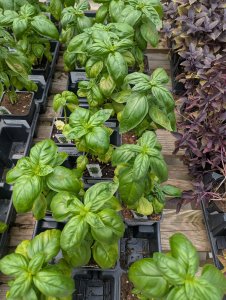
Just about anyone who gardens or cooks recognizes basil, one of the most popular herbs in the spice rack. It lends its special flavor and fragrance to a host of dishes and is important in the cuisines of many cultures and countries. But basil is much more than a fragrant green leaf, it is a plant that is equal parts flavorful and ornamental, pulling its weight in the herb or vegetable garden, as well as in purely decorative plantings. This is especially helpful for small-space gardeners, who are always on the lookout for species that can do double or triple duty in a single planting scheme.
Basil also has a long history of medicinal usage, with certain types, including the evocatively nicknamed “holy basil” used for centuries in Indian Ayurvedic medicine.
Minty Heritage
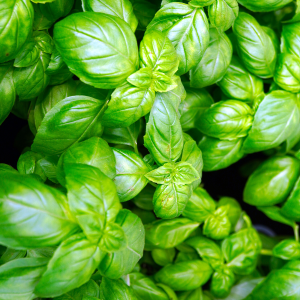
All basils are part of the Ocimum genus, which is a member of the enormous Lamiaceae or mint family. It is related to its frequent minty traveling companion, oregano, not to mention tarragon, anise, and many other herbs. Native to parts of Asia, India, and North Africa, Ocimum basilicum, has been known at various times and places as Genovese basil, purple basil, Saint Joseph’s wort, sweet basil, arjaka, luole, and Thai basil. The species encompasses many different varieties.
A Bouquet of Flavors
And those basil varieties feature an array of taste and fragrance profiles, all determined by specific aromatic essential oil molecules within the leaves. Some basils contain larger amounts of estragol, which also contributes to the unique tastes of fennel and tarragon. Linalool, another molecule present in basil, can produce either floral or woody notes, depending on the makeup of the dominant linalool molecules in the leaves. Eucalyptol, found in eucalyptus, is minty and cool, while citral provides citrusy overtones. Spiciness is determined by the present of eugenol and methyl cinnamate contributes cinnamon-like flavor notes.
Choosing Culinary Basil
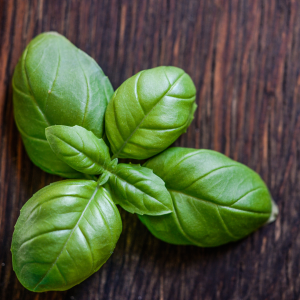
Seed catalogs are full of basil offerings. If you want to use your basil for dishes from Italy, Greece and the Mediterranean, invest in traditional “sweet basil”, with its plump rounded leaves and strong scent. Varieties of Italian large-leaf basil, like ‘Profumo de Genova’ stand up well in the region’s cuisines. For pesto, try the Genovese types, like ‘Prospera’ or ‘Superbo’.
Spicy Thai dishes call for ‘Sweet Thai’ or holy basil, which is sometimes called “Tulsi”. Cooks from many countries and cultures like the citrus-scented basils, which include varieties with a lime flavor and fragrance, and lemon-scented types like the old favorite, ‘Mrs. Burns’ Lemon’.
Many basils can also be brewed into fragrant, flavorful teas.
Decorative Value
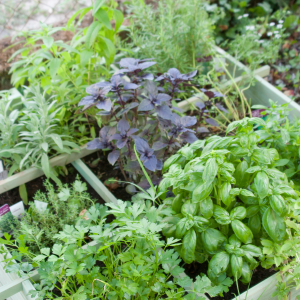
Aside from culinary usage, Ocimum basilicum is highly decorative in the garden. Dark-leafed varieties like ‘Aromatto’, with its near-black leaves, stems, and petal-like bracts makes a statement in container plantings, and the bracts can be used like edible flowers. The same is true of the large-leafed ‘Amethyst’. ‘Spicy Bush’, with its fine green leaves, can be used for culinary purposes, but can also hold down a decorative role. It is also amenable to being shaped like topiary. ‘Blue Spice’ has lovely, light purple flowers. ‘Siam Queen’ boasts spicy taste and large flowerheads.
Aromatic Bouquets
Modern florists often use fruits, vegetables and herbs as interesting and cost-effective design elements in bouquets and arrangements. Used as part of the florist’s arsenal, basil can make an attractive bouquet component, contributing not only good looks, but fragrance. The lemon-scented varieties make a nice complement to roses like ‘Angel Face, that have similarly-scented flowers. Basils, with a cinnamon fragrance, would work well with carnations or pinks, enhancing the spicy floral medley. Persian basil, which is both spicy and citrusy, adds those notes to arrangements, coupled with purple-black leaves that add drama.
Get Growing
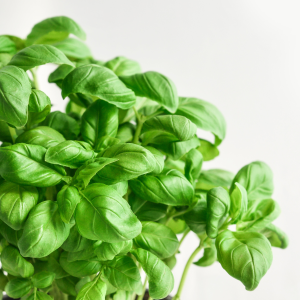
Like so many members of the mint family, basil is generally easy to grow. The plants are sprout readily from seed, which is especially important if you want varieties that are not commonly sold as young plants in garden centers. Give basil plants lots of sunshine—six hours per day is optimal–which means that they can share space and resources with other sun lovers like tomatoes and roses. Rich, well-drained soil is a must. If you are growing your plants in containers, use Fafard® Ultra Container Mix with Extended Feed. Water regularly.
Harvest the leaves regularly as the plant grows, which will encourage further leaf production. If you are growing basil for culinary use, do not let it form flowerheads, as this tends to make the leaves bitter.
One of the best ways to grow basil is in a large container right outside the kitchen door. Great pesto, piquant pizza and savory sauces are only a few steps and snips away.

About Elisabeth Ginsburg